
Last updated:
Short answer
Before going abroad for dental treatment, prepare your ID and travel documents, your insurance details, your medication and allergy list, a summary of your chronic conditions and, if you have them, records of previous dental treatment. Sharing these with your patient advisor and the dentist makes the examination and planning easier. You choose what information you share.
Gathering your documents and health information for dental treatment abroad makes both the examination and the treatment plan easier. The information a dentist needs in order to get to know you properly is generally the same: your medical history, the medication you take, your allergies and, if you have them, your previous dental treatment. In this article you will find, in a plain list, the documents and health information you can prepare, and the points to watch when sharing this information.
Documents for dental treatment abroad: why is preparation needed?
To make the right plan for you, the dentist needs information about your general health as well as the examination inside your mouth. A medicine you take, an allergy or a chronic condition can affect the treatment options and the way they are carried out. When the information is ready beforehand, the chance of a detail being forgotten at the examination is reduced and the process moves along more efficiently.
The US Centers for Disease Control and Prevention (CDC) recommends that people receiving healthcare abroad carry copies of their medical records, tell the healthcare team about any allergies they have and obtain copies of their records after treatment.
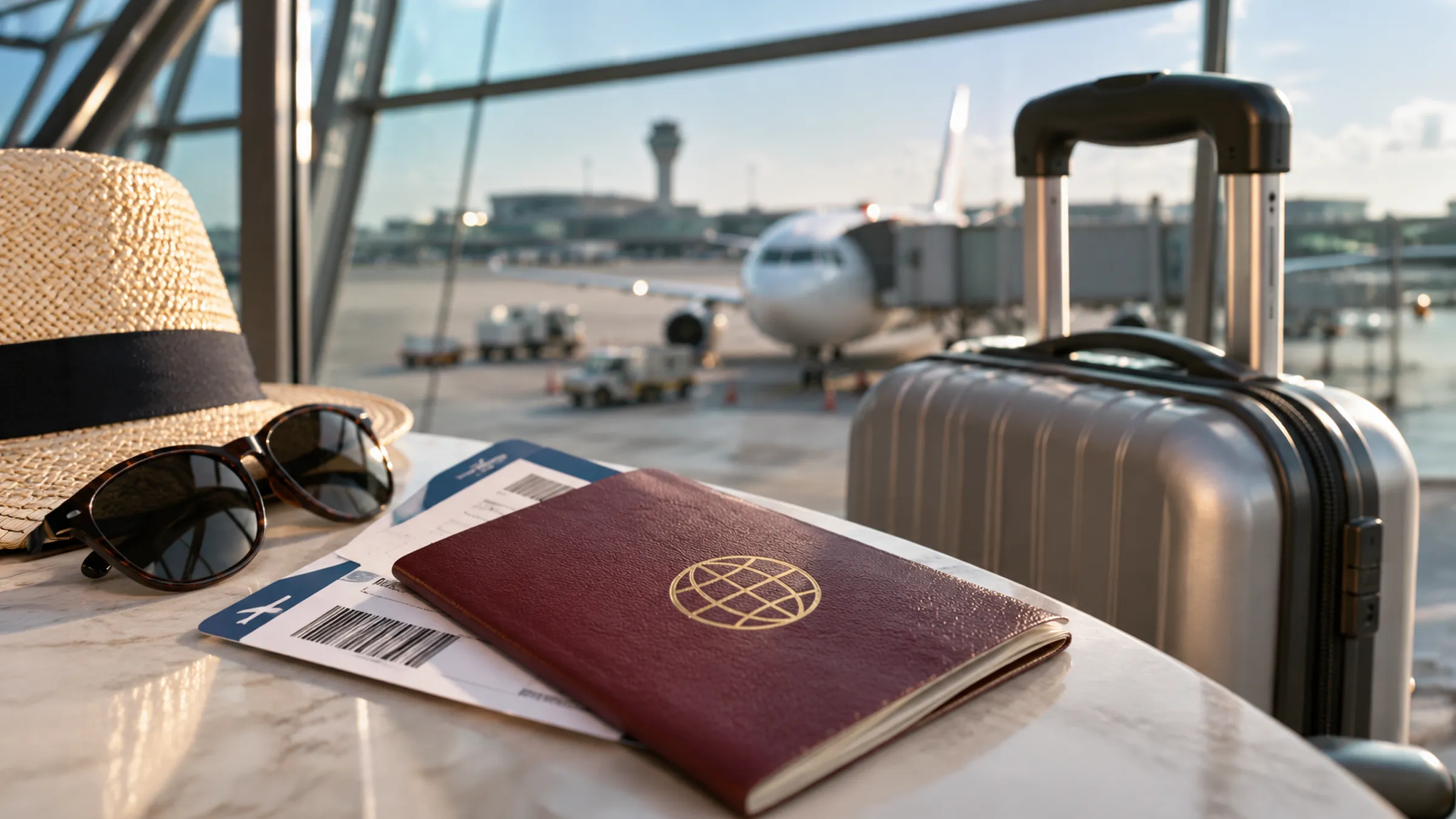
Travel documents
- Passport or ID: Check the validity period and entry conditions with official sources.
- Visa (if needed): Find out whether it is needed from the e-Visa system or the mission.
- Flight and hotel details: A digital or printed copy of the booking details.
- Travel health insurance: The policy number, cover details and an emergency contact number.
- Emergency contact: The contact details of a relative in your country.
For a detailed framework on visas, passports and insurance, you can look at our article travelling to Türkiye for dental treatment: visa, passport and insurance.
Your health summary
It is useful to turn the following information into a short note. The dentist reviews it with you at the examination.
- Chronic conditions: For example diabetes, blood pressure, heart and blood vessel diseases, conditions related to blood clotting, thyroid or rheumatological diseases. The dentist assesses which conditions can affect dental treatment.
- Operations you have had and important health events.
- Pregnancy or breastfeeding (if applicable).
- Habits such as smoking and alcohol: This information may matter for healing and the plan; sharing it honestly is in your interest.
- Notes on your oral health such as clenching, night guard use or gum problems.
Medication and allergy list
Write down the name, dose and frequency of all the medication you take regularly; add vitamins and supplements too. Some medicines, especially those that thin the blood or relate to bone health, can matter in planning surgical procedures. So do not keep your medication list from the dentist, and do not stop any medicine on your own; if a medicine needs stopping or changing, do this only by talking to the doctor who is following you.
Note your allergies one by one (such as medication, latex, anaesthetic substances, metals, foods). If possible, have a medication list or health summary given by your own doctor. If needed, preparing an English version of this document, or one in a language you can both use, also makes communication easier.
Previous dental treatment records
If you have had an implant, crown, root canal treatment or denture before, the dates of these procedures, the name of the clinic where they were done if possible, and any documents you have will be useful. If you have had an implant, keep the card or document showing the brand and model details, and if you have a denture or crown, any notes about it.
You can share your recent dental X-rays if you have them; this is not compulsory. The dentist can form a preliminary opinion from the images you share, but the final plan is determined after the examination and any necessary imaging in Istanbul. If you are not sure in what form to share the images, your patient advisor will guide you.
How and how much information should you share?
Health information is personal data. You decide which information to share, and it is enough to share only what is necessary for the treatment plan. When sharing, take care of the following:
- Ask who the information is going to and for what purpose.
- Do not send information not directly related to treatment, such as your ID number, unless necessary.
- Avoid sharing health information in general, public social media messages; prefer private messaging or official communication channels.
- You can read how your data is processed in the KVKK privacy notice.
Tips for keeping documents organised
Gathering the information you have prepared in one place saves time both before the trip and at the examination. You can set it up like this:
- A one-page health summary: Under the headings of chronic conditions, medication and allergies, with the date.
- A digital folder: Keep scanned or photographed copies of the documents on your phone and in a secure cloud space.
- A printed copy: Useful when your phone does not work or there is no internet.
- Clear dates and names: Make sure your name, date of birth and the date the document was issued are legible on the documents.
There is no need to multiply the number of documents unnecessarily. The aim is to present the basic information that will be useful to the dentist in an organised and complete way; everything else you can settle together at the examination.
Questions you want to ask the dentist and the team
Part of preparing documents is writing your questions in advance. At the examination, excitement or tiredness can sometimes make you forget the most important question. Example questions:
- Which dentist will carry out the treatment, and how many stages does the plan have?
- Which materials will be used, and will I be able to get a document for them?
- What route will I follow if I have a complaint after returning?
- Which services are included in the plan, and which are planned separately?
You can find the treatment process and other matters you may want to ask about before treatment abroad in detail in our article what should you look out for when having dental treatment in Türkiye?
Talk to your own dentist
If you have a chronic condition in particular, or take medication regularly, talking to your own doctor before you set off is a good step. You can ask them whether the trip and the planned treatment are suitable for you and whether a note about your medication is needed. Informing your own dentist is also useful for follow-up after you return.
If your documents are in your own language, preparing a short translation or summary of the important sections helps the dentist and the team understand the information quickly. If you are unsure about a document with regard to translation, you can ask your patient advisor which sections matter.
What to put in your suitcase
- Your medication (in its original packaging, in your hand luggage) and your medication list
- A health summary and an allergy note
- Documents of previous dental treatment and, if you have them, X-rays
- A list of the questions you will ask the dentist
- The contact details of your patient advisor and the hotel
- A file or folder for the documents you will receive on your return
Preparing for the return
There are also documents you need to take with you when treatment is finished: a treatment summary, images, details of the materials used, oral care and medication instructions and notes on check-up appointments. As the CDC also recommends, obtain these records before leaving the country. Find out from the start who you will contact if you have a complaint after you return and how you will share the records. For the general framework on the return flight, you can look at our article when can I fly after dental treatment?
Your patient advisor helps
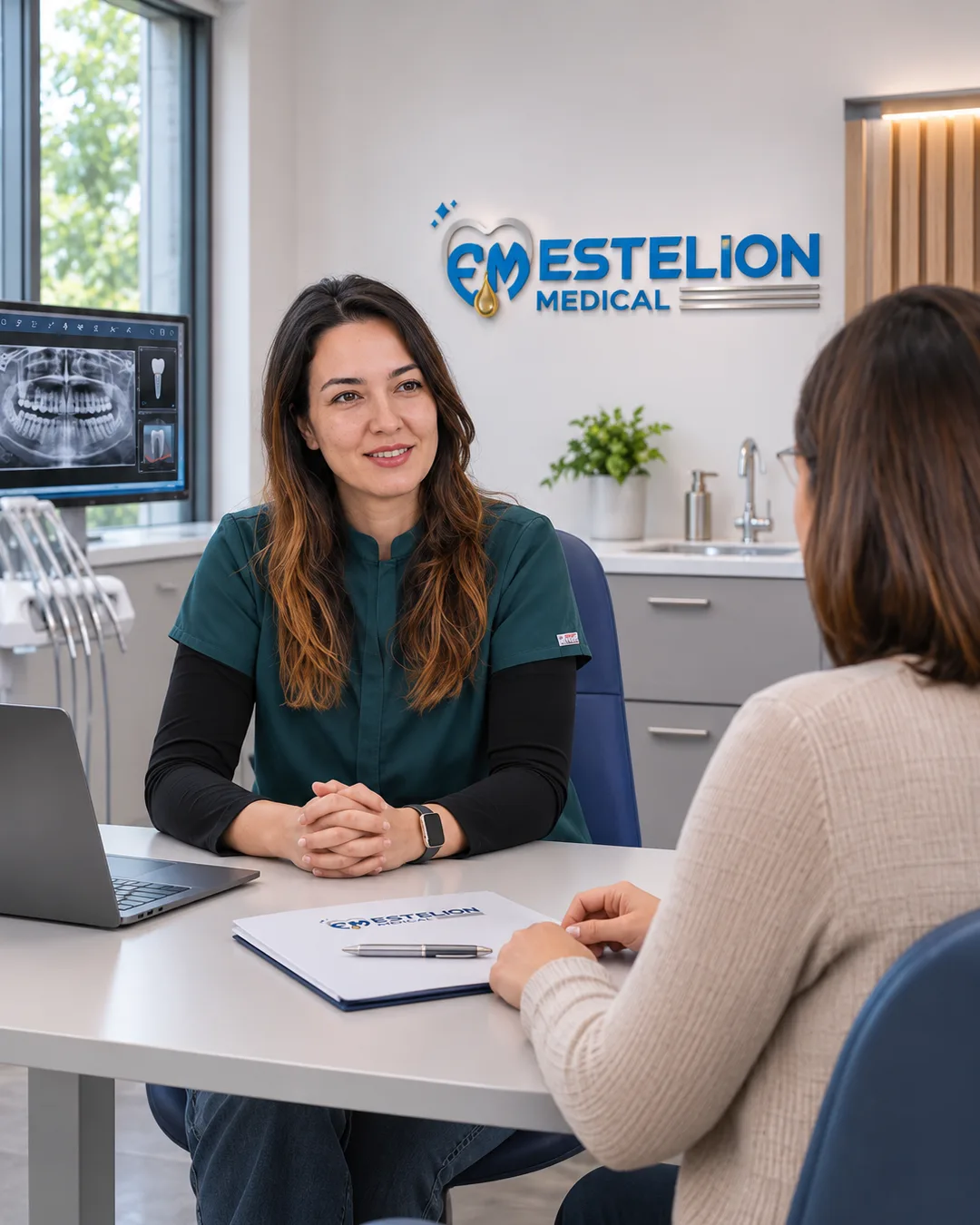
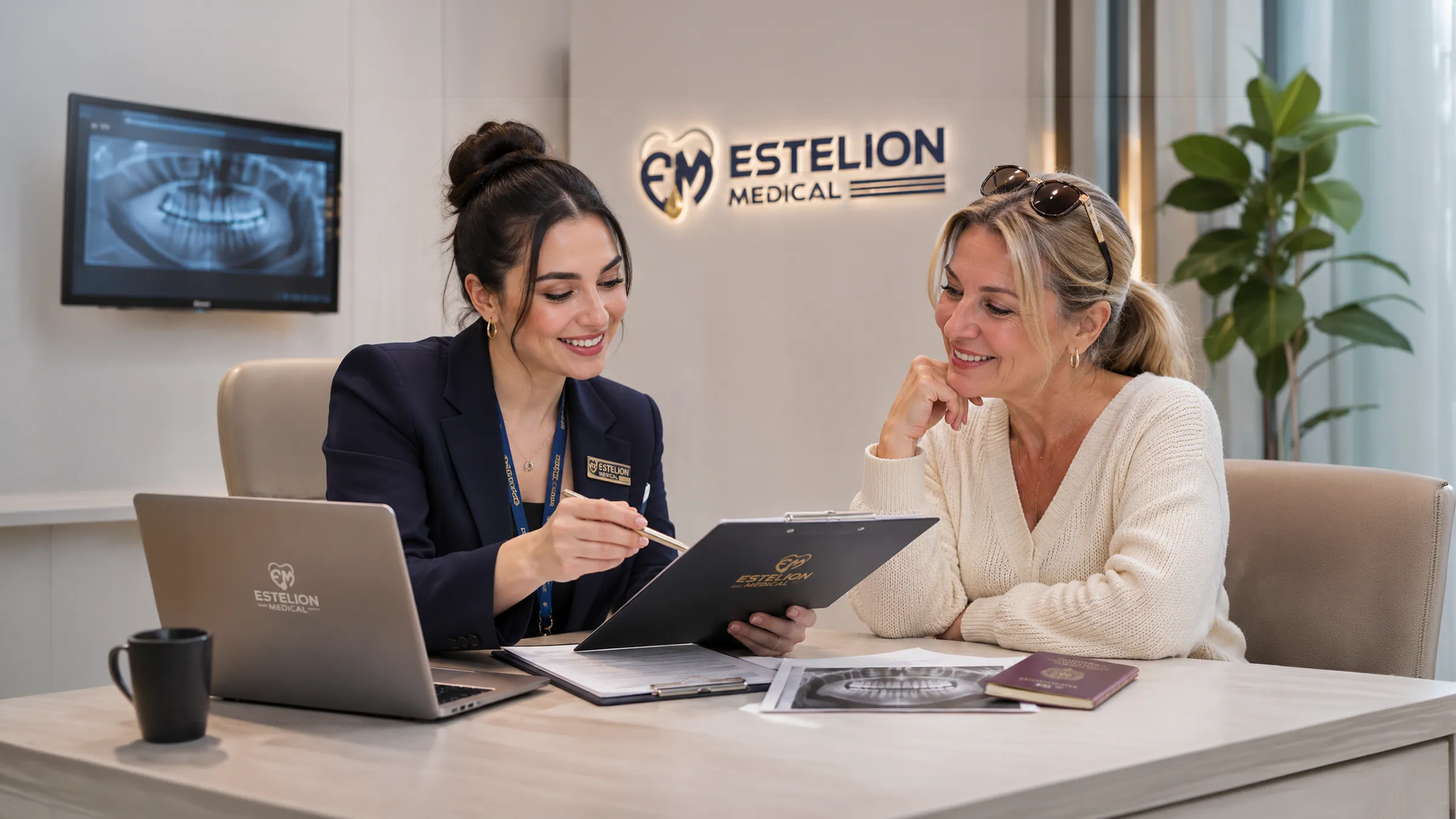
If you are unsure which document to prepare and in what form, your Estelion Medical patient advisor will guide you; our team can communicate in 16 languages. For the general flow you can look at the patient journey page, for treatment options the treatments page, and you can write to us from our contact page. Phone: +90 530 309 13 06, WhatsApp: +90 531 229 02 43.
Frequently asked questions
Is it compulsory to send an X-ray?
No. Sharing your recent dental X-rays, if you have them, makes the preliminary assessment easier; however, the final plan is determined after the examination and any necessary imaging in Istanbul.
Do I have to share all my health information?
It is enough to share only the information needed for the treatment plan. You decide which information to share; if you are unsure about something, you can ask your patient advisor.
Should I stop the medication I take?
No, do not stop or change it on your own. Share your medication list with your dentist; if a change is needed, make it by talking with the doctor who is following you.
This article is for general information only and does not replace a diagnosis or treatment recommendation. Suitability for treatment and your treatment plan are determined after a dental examination.

Author
Estelion Medical Editorial Team
Estelion Medical