
Last updated:
Short answer
It is common for a temporary prosthesis to be planned for you to use during healing, and in many cases you return to your country with it. However, your dentist decides the type of temporary prosthesis and when it is fitted. Before you return, you can ask for written information on its care, eating and the check-up plan. Your patient advisor will settle your return plan with you.
What is a temporary prosthesis for?
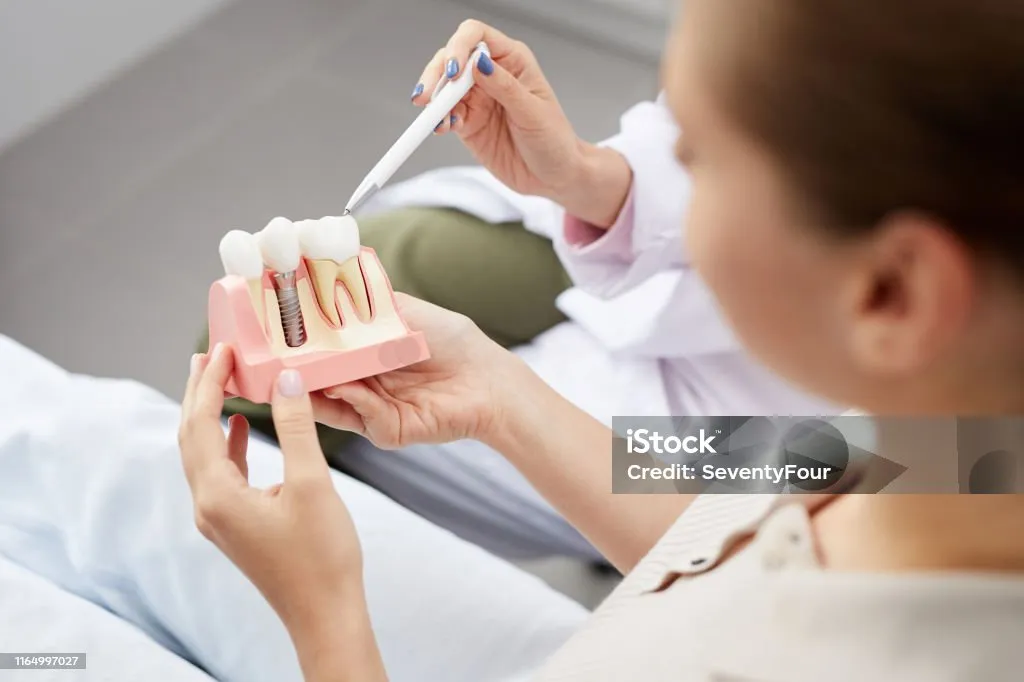
A healing period is needed for the implants to fuse with the bone. Having no teeth in your mouth during this time can be difficult for both daily life and appearance. A temporary prosthesis is planned to help you get through this period more comfortably.
A temporary prosthesis does not take the place of the final prosthesis; it is specific to the healing period. Its material and structure may differ from the final prosthesis. For this reason, the dentist tells you what to watch for while using it.
Another job of the temporary prosthesis is to help the oral tissues take shape during healing. The dentist can adjust the temporary prosthesis at a check-up if needed. So if you feel any discomfort, pressure or soreness in your mouth, it is important to report it without delay.
It matters that the prosthesis sits comfortably in the mouth, so that you feel at ease when speaking and in daily life. For this reason the fit of the temporary prosthesis is checked by the dentist in the first days and adjusted if needed. At the last check before you return, you can also ask all your questions about the prosthesis.
Which temporary prosthesis, and when is it fitted?
The type of temporary prosthesis and when it is fitted vary with your bone structure, the position of the implants and how the surgery goes. In some plans a fixed temporary prosthesis can be fitted on the day of surgery; in others the dentist waits for healing to progress first, or a removable prosthesis is used. Only your dentist can decide which is suitable for you.
For this reason we recommend not comparing a method used on someone else with your own plan. Talking about your expectations with your dentist during the preliminary assessment helps the plan be explained to you correctly.
For a temporary prosthesis, some dentists recommend a diet of soft foods during healing. This advice is given to protect the process of the implants fusing with the bone. It is sensible to ask your dentist which foods are suitable, how long you need to take care, and when the temporary prosthesis will be replaced.
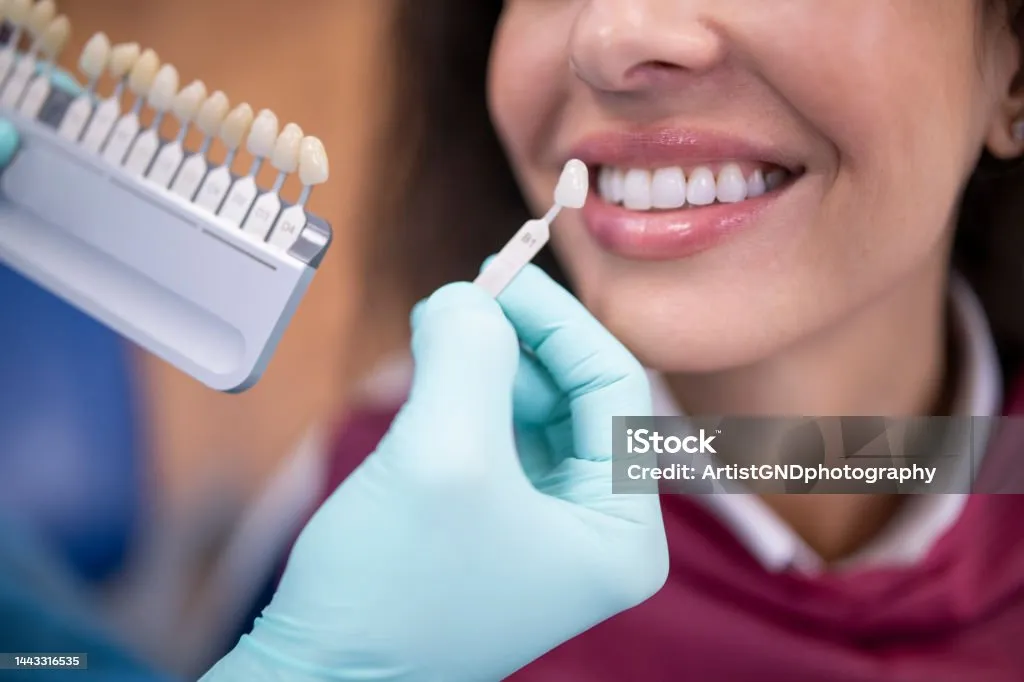
It is also useful to know that the temporary prosthesis may not look the same as the final prosthesis. Talking about your aesthetic expectations from the start makes clear what to expect in the period until the second visit.
What to check before returning to your country
Before returning with a temporary prosthesis, it is sensible to ask your dentist: How will I clean the temporary prosthesis? Which foods should I avoid? What do I do if something breaks or loosens? When should I get in touch for a check-up? Getting this information in writing gives you a reference you can also use in your own country.
The ADA states that during healing the dentist may recommend a diet such as soft, cold foods or warm soup, and that a temporary prosthesis may be provided while the prosthesis is being prepared. Ask in advance, too, what to do and at which symptoms for situations such as pain, swelling or bleeding.
Talk to your dentist about your flight plan too. How long you need to wait after surgery varies with the person and the procedure.
A practical note for the day of travel: carrying your temporary prosthesis and medication in your hand luggage means they are with you if a problem arises. Also save the written aftercare instructions from the dentist and the contact details on your phone.
Oral hygiene is an important part of the healing process. The dentist shows you how to clean the temporary prosthesis and the surrounding tissues. You can also ask which brush and mouthwash are suitable.
After you return
After you return to your country, your patient advisor and our team stay in touch with you; you can write to us on the WhatsApp line +90 531 229 02 43 or call +90 530 309 13 06 with your questions. Our team passes your medical questions to the dentist. In an emergency or a marked complaint, you may need to seek local healthcare first.
If you write about any problem with the temporary prosthesis along with a photograph, our team passes it to the dentist. If the prosthesis breaks, loosens or causes soreness, do not try to deal with it yourself; wait for the dentist’s advice and, if needed, see a dentist in your own country.
For the final prosthesis visit, too, we set the date according to your healing being found suitable at the dentist’s check. So staying in regular contact during the temporary prosthesis period makes the process easier.
Frequently asked questions
Is the temporary prosthesis the same for every patient?
No. The type and timing of the temporary prosthesis are determined by the dentist according to your bone structure and how the surgery goes.
Can I eat everything with the temporary prosthesis?
During healing you need to follow your dentist’s advice on diet. Which foods to avoid is explained to you according to your personal plan.
Other questions
- What will I feel during implant treatment?
- What is the difference between nasal implants and zygomatic implants?
- Which treatment is suitable for me?
- Do I need to send an X-ray for the preliminary assessment?
- Can a zygomatic or nasal implant be used instead of a bone graft?
This article is for general information only and does not replace a diagnosis or treatment recommendation. Suitability for treatment and your treatment plan are determined after a dental examination.

Author
Estelion Medical Editorial Team
Estelion Medical