


Last updated:
Short answer
If a tooth can be saved, dentists most often consider root canal treatment first, because the aim is to keep the natural tooth. If the tooth is badly broken down, or there is a root fracture or advanced bone loss, extraction may be needed. The decision between root canal treatment and extraction is made by the dentist after an X-ray and an examination.
When you have severe toothache, deep decay or persistent sensitivity in a tooth, the question most often asked is: root canal treatment or extraction? In this article we explain in plain language what the two approaches mean, what decides the dentist’s choice and the ways in which a tooth can be kept. The article is for general information; the right decision for your tooth can only be made with an examination and an X-ray.
What is root canal treatment?
Inside a tooth is a soft tissue called the "pulp", made up of nerve, blood vessels and connective tissue. Deep decay, repeated procedures, a crack or fracture, or a blow to the tooth can cause this tissue to become inflamed. The NHS states that root canal treatment is a procedure that clears the infection inside the tooth and then fills the tooth to stop it becoming infected again. The ADA says that root canal treatment is carried out to repair and save a tooth rather than extract it.
In root canal treatment the following steps are generally followed: the tooth is numbed, an access opening is made in the tooth, the infected or damaged pulp is removed, and the canals are cleaned, shaped and filled. According to the ADA, the procedure is usually completed in one or two appointments; the NHS also states that two or more appointments are often needed and that appointments can last 1 to 2 hours. The length varies with the structure of the tooth and the state of the infection. For more information, see our root canal treatment page.
What is tooth extraction and when does it come up?
The ADA defines extraction as the removal of a tooth from the mouth, generally because of disease, trauma or crowding. The area is numbed before the procedure. After an extraction it is necessary to follow the dentist’s instructions; the ADA recommends, for example, avoiding smoking, not rinsing the mouth vigorously and not drinking through a straw for the first 24 hours.
A dentist generally considers extraction in the following situations:
- The tooth is so broken down that it cannot be repaired
- There is a fracture or crack in the root and the tooth cannot be saved
- There is advanced loss of the bone surrounding the tooth
- The problem has continued despite earlier root canal treatment and retreatment is not suitable
- Crowded teeth, if they are damaging other teeth
This list is not a decision table. Two people presenting with the same symptom can have different outcomes.
Root canal treatment or extraction? What decides it?
The answer to whether to have root canal treatment or an extraction does not depend on a single factor. The dentist generally looks at the following:
- The remaining sound tissue of the tooth: Is the tooth sound enough to be restored with a crown?
- The condition of the root and bone: Is there a crack in the root, and what is the surrounding bone like?
- Gum health: Does the tooth have enough support from gum and bone?
- The spread of infection: Is there an abscess or widespread inflammation?
- General health and expectations: The patient’s state of health and treatment preference.
- The importance of the tooth: Its position in the mouth, aesthetics and chewing function.
An X-ray is mostly needed for this assessment. The ADA states that before root canal treatment the dentist takes an X-ray in order to see the tooth and the surrounding bone clearly.
Ways to keep a tooth
Where possible, keeping the natural tooth is one of dentists’ priority aims. To keep a tooth, dentists may consider the following approaches:
- Early intervention: A small cavity can be dealt with by a filling, whereas if delayed it may need root canal treatment.
- Root canal treatment: Where there is a risk of losing the tooth because of infected or damaged pulp.
- Restoration after the root canal: The NHS says a crown may be needed on a tooth that has had a severe infection; the ADA says that after a temporary filling the final restoration (a filling or a crown) should be done as early as possible. For crowns, you can see our article what are zirconia crowns.
- Gum treatment: If gum disease is weakening the tooth’s support, this is dealt with first.
- Protective splint: If you clench or grind your teeth, the dentist may recommend a splint to protect them.
The risk of delaying treatment
The ADA states that in an untreated pulp infection the tissues around the root can become infected, that pain, swelling and an abscess can form, and that bacteria can damage the bone that holds the tooth, increasing the risk of losing it. The NHS also says that if root canal treatment is not carried out on an infected tooth, the tooth may need to be extracted. So if there is pain, swelling or persistent sensitivity, an examination should not be put off. The pain going away by itself may not mean the infection has gone.
What happens to the gap after an extraction?
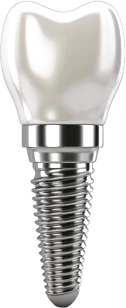
If the place of the extracted tooth is left empty, problems such as the neighbouring teeth drifting, the opposing tooth growing longer and a change in the chewing pattern can come up. The dentist will talk with you about how the gap will be filled (an implant, a bridge or a denture). The NHS states that an implant is a titanium screw placed in the jawbone that supports a crown, bridge or denture, and that a bridge is a fixed solution for a missing tooth that takes support from the neighbouring teeth. For implant options, have a look at our dental implants page. For a general framework on which treatment is suitable for you, our article which treatment is suitable can also guide you.
How should you prepare for the examination?
The following information helps the dentist make the right decision:
- When the pain started, how severe it is and what makes it worse (hot, cold, chewing, night)
- Whether there is swelling, fever or a bad taste in the mouth
- Any filling, root canal treatment or crown previously done on the tooth
- The medication you take, your allergies and your general health
- Your latest X-rays or photos, if you have them
This information can be sent in advance through your patient advisor, so that the assessment begins without losing time on the day of the examination.
Daily habits for protecting your teeth
At the root of a significant share of the situations that need root canal treatment or extraction are decay that was caught late and gum problems. Brushing twice a day, using dental floss or interdental brushes, cutting down on sugary and acidic drinks and going for a check-up every six months or as often as the dentist recommends can help you reduce this risk. Noticing a small cavity early often means it can be dealt with by a simpler treatment. If you clench your teeth, talk with the dentist; a protective splint may be recommended if needed.
Common misunderstandings
"If my pain has gone, I no longer need treatment." The pain easing may not mean the infection has gone; an examination is still needed. "Extraction is always the easier solution." After an extraction the gap may need to be filled, and that means additional treatment. "Once the root canal is done, there is no need to bother about the tooth." A tooth that has been treated also needs regular care and check-ups.
Questions you can ask your dentist
- Can my tooth be saved, and what findings are you basing that on?
- How will we protect the tooth after root canal treatment, and will a crown be needed?
- If extraction is recommended, what are the options for the gap?
- How many appointments will the treatment take, and what should I expect?
- What happens if I delay treatment?
What is felt during treatment?
In both root canal treatment and extraction, the area is numbed. The NHS states that a local anaesthetic is generally given before root canal treatment, and that the patient is awake but without feeling. Sensitivity after the procedure may last a few days; the ADA describes this as normal. Follow your dentist’s advice on using painkillers. If you have unexpected swelling, increasing pain or fever, contact your dentist.
The root canal or extraction decision in Istanbul
Treatments are carried out at our clinic. The decision on root canal treatment or extraction is made by the dentist after the examination and any necessary X-rays in Istanbul. Before you come, you can share with your patient advisor how long your toothache has lasted, the medication you take and any X-rays you have. If you have an emergency, do not neglect to see a dentist in your own country straight away. For the process and schedule you can read our article how to get started.
Frequently asked questions
Is root canal treatment possible for every tooth?
No. The remaining sound tissue of the tooth and the condition of the root and bone affect the decision. If there is a root fracture or advanced bone loss, extraction may be needed.
Is the tooth crowned after root canal treatment?
It may be needed for some teeth. The NHS states that a crown may be needed for teeth that have had a severe infection; the dentist decides.
Can the gap be left open after a tooth is extracted?
Leaving the gap open can cause the neighbouring teeth to drift and the chewing pattern to change. Your dentist will talk through implant, bridge or denture options with you.
This article is for general information only and does not replace a diagnosis or treatment recommendation. Suitability for treatment and your treatment plan are determined after a dental examination.

Author
Estelion Medical Editorial Team
Estelion Medical