

Last updated:
Short answer
A nasal implant is planned within the bone; the aim is not to change the outer appearance. Even so, because it is surgery close to the nose area, there may be effects after the procedure such as temporary swelling or sensitivity inside the nose. Possible effects and expectations are discussed with you by your dentist at the examination according to your personal situation. This article is for general information only.
Where is a nasal implant placed?
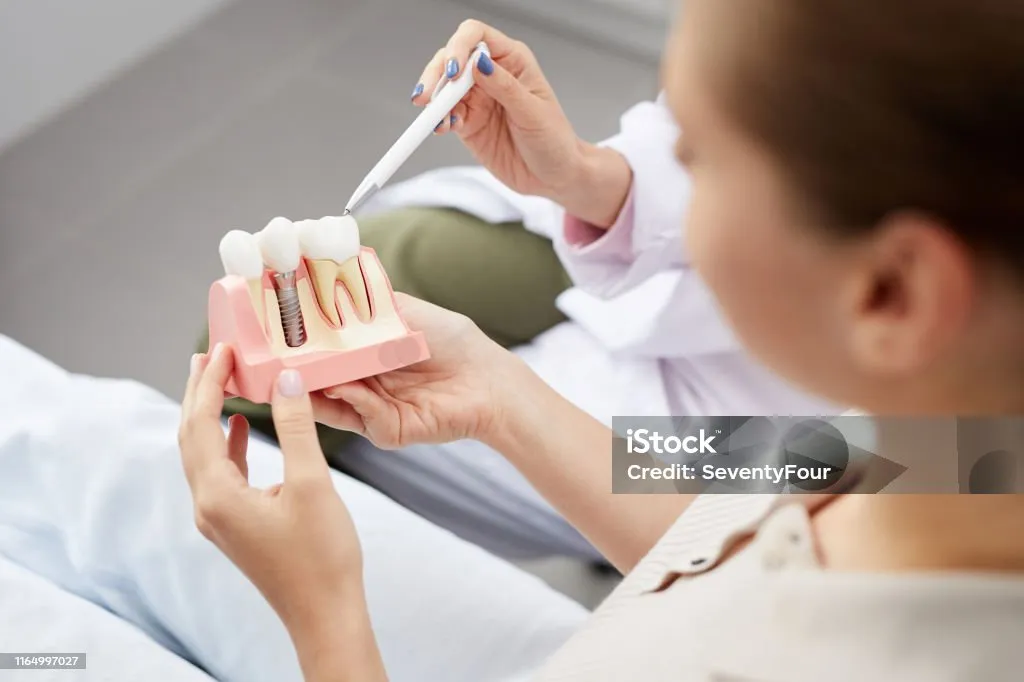
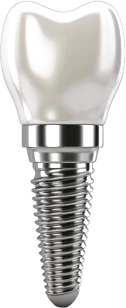
A nasal implant is planned within the bone of the upper jaw, so as to take support from an area close to the nasal floor. The implant itself is not visible from the outside; the prosthesis takes the place of the teeth inside the mouth. So the aim of treatment is not to change the shape of the nose but to create a foundation that will support a fixed prosthesis in the upper jaw.
Because work is carried out close to the nasal floor and sinus area, however, the anatomy of this area is carefully examined with three-dimensional images before surgery. This examination is the basis of making the plan personal to you.
Saying that the implant is not visible from the outside does not mean there will be no local swelling in every case. There can be temporary changes in the face after surgery; how long these last varies from person to person. The dentist will explain the expected course.
Can there be temporary effects?
After surgery there may be swelling of the face and around the nose, slight bruising and sensitivity inside the nose. Some people may report nasal congestion or slight bleeding. These can be expected during healing, but their severity and length vary from person to person.
The dentist explains how to protect your nose after the procedure and what to avoid. For example, in some cases it may be recommended not to blow your nose hard for a period. Following these instructions is important for healing.
Mild conditions such as dryness or crusting inside the nose may also be reported. Your dentist may recommend applications such as a nasal spray or saline for these; which product you use should be decided only on your dentist’s instruction.
If swelling or bruising is visible, you can ask your dentist when it will pass. When planning your return flight to your country, you may also want to allow for temporary changes in the face affecting your return.
Breathing and nasal function
The effect of procedures involving the nasal floor area on breathing is also being studied scientifically. A retrospective study published in 2025 in the Journal of Oral Implantology looked at the volume of the nasal airway and breathing function in a group of patients who had bone augmentation of the nasal floor. The study was carried out on a small sample and does not allow inference of causation; so its results should not be interpreted as a generalisation.
Telling your dentist beforehand about conditions such as nasal congestion, sinus problems or previous nose surgery helps them be taken into account in planning. It makes sense to ask openly at the examination about any concern you have on this.
It is important that you tell your dentist clearly about any worry about nasal function. By gathering information about the structures inside your nose and, if needed, working with the relevant specialty, the dentist can shape the plan accordingly. If nasal congestion increases after the procedure, you should report it without delay.
If you have had nose or sinus surgery in the past, tell your dentist beforehand. The planning may change accordingly.
What should you ask at the examination?
You can ask the dentist: What risks relating to the nose area are there in my anatomy? What might I feel after the procedure and for how long? What symptoms should I contact you about? Is there another option?
The treatment decision and the final plan are determined in Istanbul after the dental examination and three-dimensional imaging. You can reach your patient advisor with your questions on WhatsApp (+90 531 229 02 43) or by phone (+90 530 309 13 06).
If you would like to see how your own anatomical features are being assessed in the plan, you can ask the dentist to explain the plan on the three-dimensional images. This helps you make your decision in a more informed way.
Another important matter is the prosthesis stage. The prosthesis supported by the nasal implant takes the place of the teeth in your mouth; its appearance and fit need separate planning. Talk about your expectations on this with your dentist beforehand too.
Frequently asked questions
Does a nasal implant change the shape of the nose?
The implant is planned within the bone and the aim is not to change the shape of the nose. Possible effects are discussed with the dentist according to your personal situation.
Will my breathing be affected after the procedure?
After the procedure there may be temporary nasal congestion or sensitivity. Your dentist will explain at the examination what to expect for you.
Other questions
- Why is a 3D scan important when planning zygomatic and nasal implants?
- Can a zygomatic or nasal implant be used instead of a bone graft?
- Are zygomatic and nasal implants done under general anaesthesia?
- Who carries out zygomatic implant surgery?
- What is recovery like after zygomatic implant surgery?
This article is for general information only and does not replace a diagnosis or treatment recommendation. Suitability for treatment and your treatment plan are determined after a dental examination.

Author
Estelion Medical Editorial Team
Estelion Medical